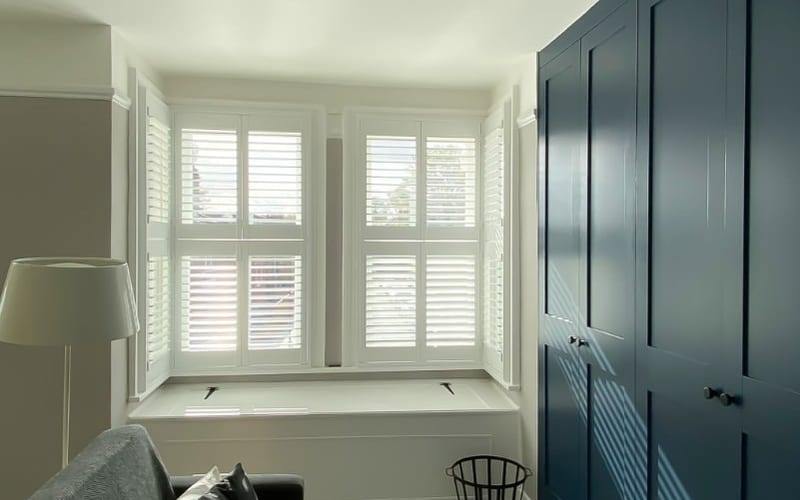
How to Clean and Maintain Your Plantation Shutters
Plantation shutters are built to last decades -- but only if you look after them. Here is our complete guide to cleaning and maintaining your shutters so they stay looking as good as the day they were fitted.
One of the most common questions we hear after fitting shutters across Dorset, South Somerset, and East Devon is: how do I keep them clean? It is a great question, because plantation shutters are a long-term investment -- and with the right care routine, they will look immaculate for decades. The good news is that shutters are one of the easiest window treatments to maintain. No fabric to dry-clean, no delicate mechanisms to worry about. Just a few simple habits and the occasional deeper clean.
How Often Should You Clean Your Shutters?
For most homes, a light dust every two to four weeks is all that is needed to keep shutters looking their best. Kitchens and bathrooms may need more frequent attention due to grease and moisture. A deeper clean two or three times a year will tackle any build-up and keep the finish in top condition. If you have young children or pets, you may find weekly dusting keeps things looking sharp.
What You Will Need
You do not need any specialist products. For routine dusting, a microfibre cloth or a soft duster is ideal -- microfibre is particularly good because it traps dust rather than just moving it around. For a deeper clean, you will need a bucket of warm water, a small amount of mild washing-up liquid, a soft cloth or sponge, and a dry towel. Avoid abrasive cloths, scouring pads, or anything with a rough texture, as these can scratch the finish.
Routine Dusting: Step by Step
Start by tilting the louvres to one side so they are at roughly 45 degrees. Run a dry microfibre cloth along each slat from the hinge side outward, working from top to bottom. Then tilt the louvres the other way and repeat on the reverse side. Finally, wipe down the frame -- the stiles (vertical uprights) and rails (horizontal bars) -- with the same cloth. The whole process takes just a few minutes per panel and makes a noticeable difference to how fresh the room feels.
Deep Cleaning: Step by Step
For a more thorough clean, mix a small amount of washing-up liquid into a bucket of warm water. Dampen your cloth or sponge -- it should be damp, not wet -- and wipe each louvre individually, again working from top to bottom. Pay particular attention to the edges of the slats where dust can accumulate. Once you have cleaned both sides of every louvre, go over the frame in the same way. Immediately follow with a dry towel to remove any moisture. Do not leave water sitting on the surface, particularly on real wood shutters.
Caring for Real Wood Shutters
Real wood shutters require a little more care than PVC or composite shutters. The key rule is to keep moisture to a minimum. Never use a soaking wet cloth, and avoid steam cleaners entirely. If you have real wood shutters in a bathroom or kitchen, make sure the room is well ventilated to prevent humidity build-up over time. Occasionally -- perhaps once a year -- you can apply a small amount of furniture polish or wood conditioner to the louvres to keep the timber nourished and the finish looking rich. Always check with your supplier first, as some finishes are not compatible with certain products. At Lumina, we are always happy to advise on the right products for your specific shutters.
Caring for PVC and Composite Shutters
PVC and composite shutters are more forgiving. They are moisture-resistant, which makes them ideal for kitchens, bathrooms, and conservatories. You can use a slightly wetter cloth without concern, and they are less susceptible to warping or cracking. That said, the same basic principles apply: avoid abrasive materials, dry off excess moisture, and do not use harsh chemical cleaners. Bleach-based products can discolour the finish over time.
Dealing with Stubborn Marks
For sticky residue, grease splashes, or fingerprints, a small amount of washing-up liquid applied directly to a damp cloth will usually do the job. Work gently in a circular motion and rinse with a clean damp cloth afterwards. For very stubborn marks, a diluted solution of white vinegar and water (roughly one part vinegar to three parts water) is effective and safe on most shutter finishes. Test on a small, inconspicuous area first if you are unsure.
Checking the Mechanisms
While you are cleaning, it is worth taking a moment to check that the louvres tilt smoothly and that the panels open and close without sticking. Over time, the tension on the tilt rod can loosen slightly, which causes the louvres to droop rather than hold their position. This is a simple adjustment -- on most shutters, there is a small tension screw on the tilt rod that can be tightened with a screwdriver. If you are unsure, give us a call and we can talk you through it or arrange a visit.
What to Avoid
A few things to steer clear of: pressure washers or hoses (even for exterior shutters), steam cleaners, abrasive sponges, solvent-based cleaners, and furniture polish on PVC shutters. Also avoid pulling the louvres by the tilt rod with excessive force -- always use the rod gently to tilt the slats rather than forcing them.
A Note on Warranty
All shutters we supply and fit at Lumina Shutters and Blinds come with a ten-year warranty. Proper maintenance is part of keeping that warranty valid, so it is worth building a simple cleaning routine into your household schedule. If you ever notice any damage, warping, or mechanism issues, contact us promptly -- catching problems early is always easier and less costly than leaving them.
Looking after your shutters really is straightforward once you know the basics. A microfibre cloth and five minutes every few weeks is all it takes to keep them looking as good as new. If you have any questions about caring for your specific shutters, or if you are thinking about having shutters fitted in your home, get in touch with us for a free home survey. We cover Dorchester, Weymouth, Bridport, Sherborne, Yeovil, Beaminster, Lyme Regis, Axminster, Chard, Crewkerne and the surrounding areas across Dorset, South Somerset, and East Devon.
Ready to transform your windows?
Book a free home consultation and our team will bring samples, measure up, and give you honest advice — no pressure, no obligation.
Book a Free Consultation